 Top Story
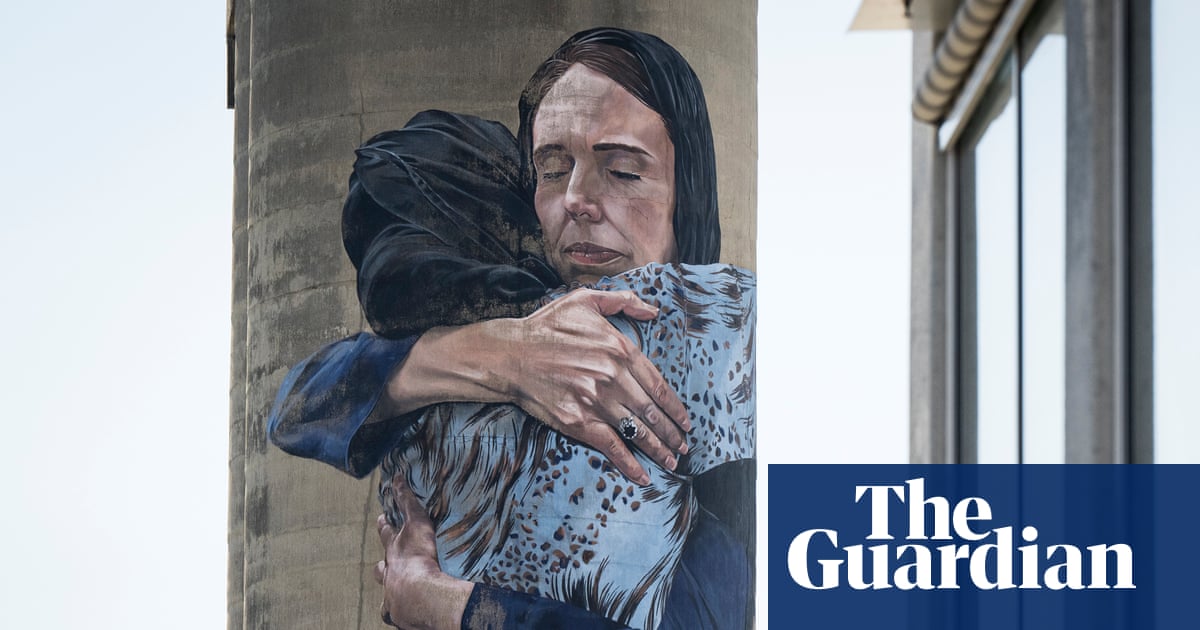
Jacinda Ardern, who now calls Sydney home, has delivered a message to Australian politicians from the stage of the city’s Opera House. Politicians, the former New Zealand prime minister turned academic told the audience on Sunday, were exacerbating the problem of polarisation within society and needed to be better. “We have a responsibility not to engage in binary thinking, not to engage in the language of violence, [but] to rebuild trust by building financial security in a time of deep insecurity,” Ardern said during a forum with the author Anna Funder.
“There are things we could be doing but, right now, we’re making it worse, not better.” In the past few decades, people across the world felt an increasing sense of insecurity as globalisation took hold, and they began attacking institutions like the World Trade Organization, Ardern said. Politicians offered proposals such as Brexit in response to the insecurity – saying “Here’s what you blame” – which then paved the way for the rise of leaders like Donald Trump, she said. The 46-year-old moved to Australia earlier this year.
She purchased a house on the northern beaches in September and last week revealed she would be lecturing and mentoring at the University of Sydney. Sunday’s talk was advertised as bringing together “two of the world’s leading thinkers” to discuss “ can we disagree without becoming divided? ” “It’s not just that you hold a different opinion, it’s that you hold it so deeply that you have this view you’ve got moral clarity that is not being held by the other person,” Ardern said of the growing polarisation in public discourse. “Therefore, you couldn’t possibly engage with them anymore.
It’s made it much more difficult to create the discourse that we need to problem solve.” Ardern and Funder were speaking a fortnight after the alleged attack on independent MP Helen Haines . The former NZ PM did not mention the incident explicitly but stressed politicians and leaders needed to be aware of the tone they set. Social media had made it more difficult for people to change their views, she told the audience.
“Your opinions are recorded and held in time, and when so much of a healthy democracy is your ability to have debate and shift your views based on new evidence of information ... that environment makes it more difficult,” Ardern said. When she entered politics in 2008, she was not only the youngest sitting MP in the New Zealand parliament, but also the first to enter with an existing social media account. skip past newsletter promotion after newsletter promotion At the time, many politicians – including Ardern – were excited to use social media to communicate directly with voters. “I was so naive not to think about the fact that that meant the manipulation of information,” she said.
Her view of the online world changed on 15 March 2019 – the day of the Christchurch mosque shootings. “A domestic terror attack came to our shores by someone who was radicalised on YouTube and who broadcast that mania in order to incite violence amongst other white supremacists using Facebook,” she said on Sunday. “That’s when I fully understood the weaponisation.” Mistrust has been building for years and was now playing out in voters’ sense of grievance and insularity, Ardern said, adding politicians had not been able to address it.
“At every point where you see this spike in mistrust, you see this disruption in what people are feeling and experiencing, and a failure of a political response to it. “We’ve not fixed the core of the problem; in fact, we’ve then weaponised it with blame and distrust of others. We have not just a crisis of trust; we have a crisis of leadership.” Ardern suggested empathy was part of the solution.
“What empathy brings to politics is a thing that we’re missing now. It brings humility, it brings curiosity,” she said. “If we had more humility in politics – what a difference that would make.”
Source: The Guardian